


sking tags and mole removal Gallery
$$MultiPurposeText$$
See examples of our sking tags and mole removal work and results.


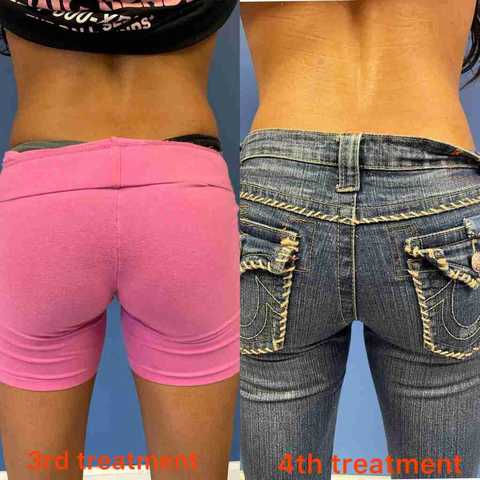
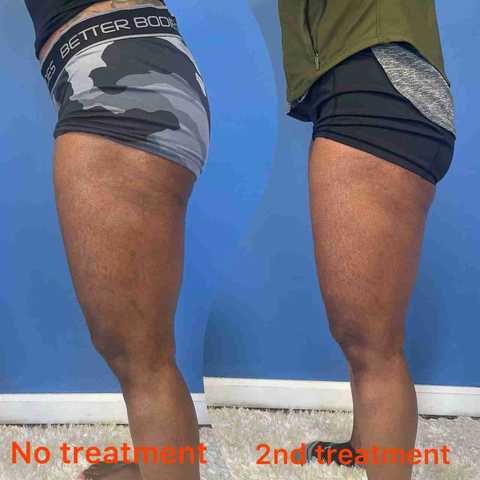
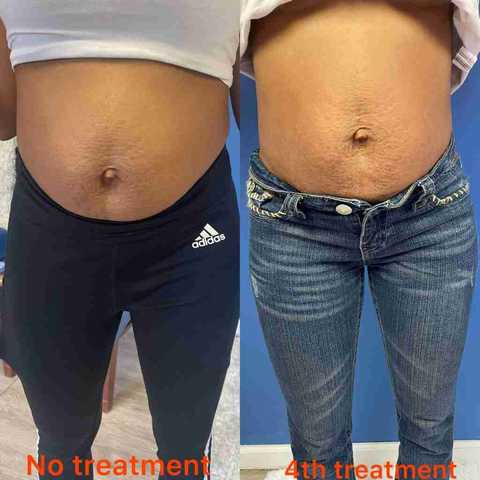





What Our Clients Say
$$MultiPurposeText$$
Read testimonials from our satisfied customers

It was such a pleasure working with Lana. She did an awesome job on my cryo slimmimg.

I love Rose, she is awesome and has the best customer Service. I'm getting my arms sculpte...more

Rosemary is such a wonderful person. She is very knowledgeable, patience and detail.

I have the best results and an amazing experience with rose. She’s super personable and sh...more

Rosemarie is the best! She wants her clients to look fabulous and she’s been successful. L...more

I have been going here for a few weeks to get cryotherapy on my lower leg and Rosemary is ...more

Frequently Asked Questions
Get answers to common questions about sking tags and mole removal .
We begin with a consultation and skin assessment. Depending on size and type, removal uses cryotherapy, electrocautery, or excision under local numbing. The method minimizes scarring; suspicious lesions are referred for biopsy. Aftercare instructions support healing and reduce complications.
Most clients experience mild discomfort similar to a pinprick; we use topical anesthetic when needed. Proper technique and aftercare reduce scarring risk significantly, though healing varies. We'll discuss scarring concerns and set realistic expectations during your consultation.
Recovery is usually brief: minor redness, crusting, or tenderness resolves within one to two weeks. Larger excisions may take longer. Follow our aftercare—keep area clean, avoid sun exposure, and return for follow-up if healing concerns arise.
Yes, removals are safe when performed by trained professionals. If a mole looks atypical, we recommend biopsy or referral to a dermatologist to rule out malignancy. Routine moles removed for cosmetic reasons may not require pathology unless concerns are present.
Most skin tags and small moles are removed in a single session. Larger or multiple lesions might need staged treatments. We'll evaluate the area during consultation and provide a clear plan, including estimated sessions and associated costs.
Keep the area clean, apply recommended ointment, and avoid picking at scabs. Limit sun exposure and use SPF after healing. Expect healing over one to four weeks depending on size; contact us for concerns or unusual symptoms.